Linfield's acquisition of Kieran Offord from Crusaders in 2024 is a clear example of a major trend reshaping the Irish Premiership. The league is experiencing a significant Scottish influx, with 29 players from north of the border now registered across its 12 clubs. This strategic shift in recruitment is driven by clubs seeking better value and untapped potential, a model Crusaders have pioneered with notable success.
Declan Caddell, the Crusaders boss, has been at the forefront of this movement. His club began a concerted Scottish recruitment drive in 2024 and now has seven Scottish players in their current squad. "It seems that every player coming in now is Scottish," Caddell said. He pointed to an over-inflated local market and the appeal of playing at the highest level in Northern Ireland as key factors. "Scottish players are keen to come over for less money for the opportunity to play at the highest level in the country," he added.
The strategy has proven financially astute for Crusaders. Following Offord's move to Linfield, the Belfast side brought in players like Musa Dibaga, Fraser Bryden, and Adam Brooks. Dibaga was a promotion play-off hero before moving to Dunfermline, Bryden scored 24 goals in 39 games before a big-money move to Chesterfield, and Brooks' hat-trick against Portadown preceded a six-figure sale to Coleraine. This player-trading model is central to their plan. "You get those players in at no cost, you develop them and you sell them on, it's as simple as that," Caddell explained.
The wider league picture
This trend is not isolated to Crusaders. Coleraine, managed by Ruaidhri Higgins, have six Scottish players on their books, including recent arrivals Aidan Wilson and Jay Henderson from Scottish clubs. Higgins highlighted the league's unique selling point, stating, "The fact that you can play in Europe is a big pull." Only three clubs, Ballymena United, Dungannon Swifts, and Limavady United, currently have no Scottish players in their squads. The summer window alone saw 13 new arrivals directly from Scottish clubs, underlining the scale of the movement.
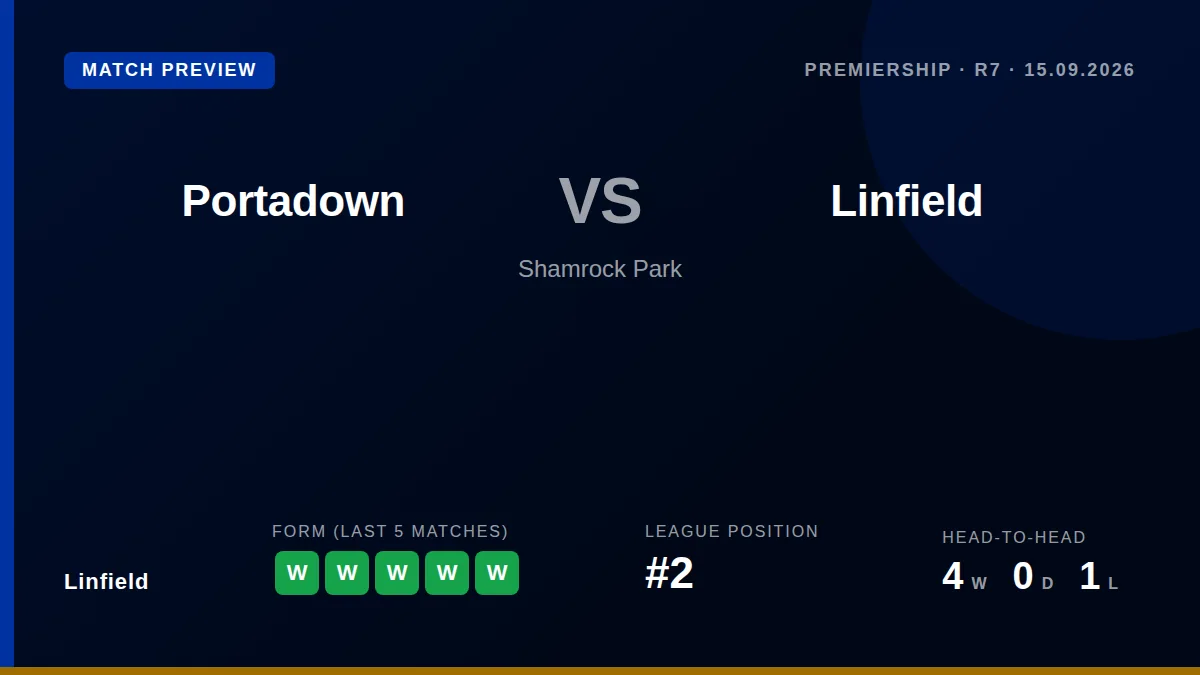
For Linfield, integrating a successful loanee like Offord, who scored 14 goals in 26 games for Crusaders, fits into a competitive context. The Blues, who are in strong recent form, currently sit second in the standings with 16 points from seven games, just three points behind leaders Coleraine. Their next challenge is a key home fixture against a Crusaders side sitting fifth, a match that pits them directly against the architects of this recruitment strategy. Linfield's current position is built on a solid defensive record, having conceded only 3 goals in their last 270 minutes of league football.
The historical precedent for Scottish success in the league is strong, with players like Scott Young, Marc Smyth, and Rohan Ferguson having lifted the Gibson Cup with Glentoran, Cliftonville, and Larne respectively. Linfield will be hoping Offord can help them add to that history. As the league continues to evolve, the Scottish connection looks set to remain a defining feature of the Irish Premiership landscape for the foreseeable future, with clubs like Linfield actively participating in and benefiting from the model.
Background and full detail: bbc.com